
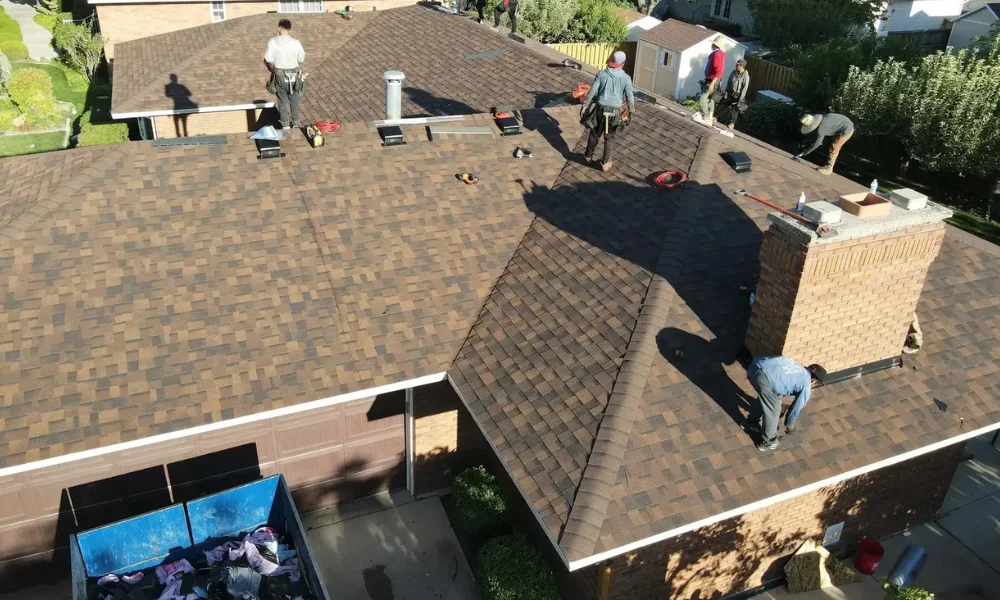
A roof can look fine from the ground while developing problems around shingles, flashing, drainage, ventilation, or other components. A professional roof inspection helps identify visible conditions and determine what to do next.
For Orem homeowners, an inspection can help before a repair, after severe weather, during a home purchase, or when a roofing concern arises. If you need a roof inspection, working with roofing professionals can help you understand observable conditions before deciding on repairs or replacement.
This guide explains what a professional roof inspection may evaluate, what homeowners can safely observe, what an inspection report should document, and what may happen afterward.
Why Is a Roof Inspection Important?
A professional roof inspection helps homeowners understand the current condition of accessible roofing components. The roof inspection will help identify observable changes that may require monitoring, maintenance, repair, or further evaluation.
An inspection may consider:
- Shingles showing wear, damage, or excessive granule loss
- Flashing around walls, transitions, and other relevant areas
- Roof penetrations and surrounding seals
- Roof edges, valleys, and transitions
- Gutters, downspouts, and drainage conditions
- Fascia and soffits
- Accessible attic areas and visible moisture-related conditions
- Visible sagging or deformation that may warrant further evaluation
An inspection does not automatically mean your roof needs repair or replacement. Consider findings alongside the roof’s overall condition, repairability, material compatibility, and other relevant factors.
The purpose is to understand the observed condition and determine the appropriate next step.
Orem Roof Inspection Checklist
A professional inspection may consider different roofing components depending on the property, safety conditions, and agreed inspection scope. Homeowners can use this roof inspection checklist to understand what areas may be reviewed.
Safety First: This checklist explains what a professional may evaluate; it is not an instruction to walk the roof. Homeowners should limit their observations to safe ground-level locations and accessible interior areas. A qualified professional should perform a safety inspection when roof access presents a risk.
| Area | Safe Homeowner Observation | Professional Evaluation |
|---|---|---|
| Roof Surface | Look for visibly missing, damaged, or displaced shingles from the ground. | Evaluates accessible roofing surfaces for wear, damage, and other observable conditions. |
| Granule Loss | Check gutters or ground areas for unusual amounts of roofing granules. | Evaluates visible patterns of granule loss and overall shingle condition. |
| Flashing | Look for visibly loose or damaged flashing from a safe location. | Evaluates flashing around walls, transitions, and other relevant areas. |
| Roof Penetrations | Observe visible areas around vents or other penetrations from a safe location. | Checks accessible penetrations, seals, and surrounding materials. |
| Roof Edges & Valleys | Observe visible edge areas without accessing the roof. | Evaluates accessible edges, valleys, and transitions where relevant. |
| Gutters & Downspouts | Look for overflowing, sagging, or visibly damaged drainage components. | Evaluates drainage conditions that may affect water movement. |
| Fascia & Soffits | Look for staining, deterioration, or visible damage. | Evaluates accessible fascia and soffit conditions that may warrant attention. |
| Attic Areas | Look for accessible staining or other visible moisture-related signs. | Evaluates accessible attic areas for observable moisture-related conditions. |
| Ventilation | Watch for visible signs that may indicate ventilation concerns. | Evaluates accessible ventilation components and observable conditions. |
| Roof Structure | Look for visible sagging or deformation from a safe location. | Determines whether visible conditions may warrant further structural evaluation. |
The checklist describes observations and evaluation areas, not definitive diagnoses. A visible condition may justify additional investigation without proving its underlying cause or full extent.
Need Help Evaluating Your Roof?
A professional inspection can help identify observable roofing conditions and explain appropriate next steps for your property.
Contact UsWhen Should You Schedule a Professional Roof Inspection?
For most homeowners, a professional roof inspection once a year provides a practical maintenance baseline. Older roofs or roofs with known issues may need more frequent monitoring.
You should also consider an inspection after:
- Significant hail, wind, or heavy snow
- A roof leak or possible water intrusion
- Missing, damaged, or displaced shingles
- A previous repair
- A home purchase or property transaction
- Changes noticed during a safe ground-level check
Homeowners can perform safe ground-level checks in spring and fall. These checks should focus on visible changes rather than roof access.
Recommended approach: Schedule an annual professional inspection, with additional inspections after severe weather or when specific roofing concerns arise.
For broader seasonal guidance, see our Utah seasonal roof maintenance checklist.
What to Expect During a Roof Inspection
The inspection process generally moves from understanding the concern to evaluating relevant roofing components and then explaining what was found. A professional roof inspector should explain the inspection scope, document observable conditions, and identify limitations.
Before the Inspection: Understand the Concern
The process starts with the homeowner’s reason for requesting an inspection.
A concern may involve a leak, missing shingles, recent weather, a previous repair, a home purchase, or general questions about the roof.
Information about the affected area, when the issue appears, previous repairs, photographs, and available roof history can provide useful context.
This information helps focus the evaluation. It does not establish the cause of the problem before the inspection begins.
During the Inspection: Assess the Relevant Roofing System
The inspection focuses on observable conditions within the agreed scope. The inspector reviews relevant areas, documents concerns, and determines whether further evaluation may be appropriate.
The inspection approach depends on the property’s design, accessibility, weather, safety conditions, and agreed scope. Previous repairs or reported concerns may receive additional attention when relevant.
The inspector may use appropriate visual observations, photographs, attic access, roof access, drone imagery, or other inspection methods. However, not every method is suitable for every property.
A visual inspection cannot determine the condition of concealed or inaccessible materials. When an area cannot be safely or adequately evaluated, the limitation should be documented, with further investigation recommended when appropriate.
After the Inspection: Explain the Findings
The homeowner should understand the affected area, what was observed, why it may matter, and what remains uncertain.
Observations should remain separate from conclusions. A visible condition can support further investigation without proving the underlying cause or full extent.
The next step should follow the inspection findings.
- No immediate action
- Monitoring
- Maintenance
- Repair
- Further evaluation
- Replacement planning
When repair is being considered, feasibility depends on the affected area, surrounding materials, material compatibility, and the ability to complete a sound repair.
The number of damaged shingles alone does not determine whether repair is appropriate.
Roof age can provide context, but age by itself does not determine whether replacement is necessary.
Inspection Limitations
Important: A roof inspection is generally visual and non-invasive. It focuses on conditions that can be safely and reasonably accessed during the inspection.
An inspection may not identify:
- Concealed damage
- Conditions beneath roofing materials
- Inaccessible areas
- Conditions requiring destructive testing
- Problems that are not observable
Observable signs may indicate that a concealed issue exists, but additional evaluation may be needed to determine its cause and extent.
Orem Weather Conditions That Can Affect Your Roof
Orem’s seasonal weather can place changing demands on roofing materials and drainage systems.
Hail, Wind, and Snow
Hail, strong winds, snow, and freeze-thaw cycles can affect shingles, flashing, roof edges, and drainage components. After significant weather, an inspection can help document observable conditions and determine whether further evaluation is appropriate.
Summer Sun Exposure
Extended sun exposure can gradually weather roofing materials. A professional inspection evaluates the roof’s observable condition rather than relying on roof age alone.
What Should Professional Inspection Findings Include?
Not every inspection necessarily results in the same type of documentation. Where written findings or a report are provided, useful documentation should clearly connect observations with appropriate next steps.
Affected Area and Condition
The findings should identify the relevant area and describe the observable condition without overstating what can be concluded. This helps homeowners understand whether the roof damage requires monitoring, maintenance, repair, or further evaluation.
Documented Deficiencies
Specific deficiencies should identify the affected component and explain what was observed.
Photographic Evidence
Photographs can provide useful visual context when photographs are included within the inspection scope.
Images should correspond to the documented observation and clearly show the relevant area.
A photograph alone does not necessarily establish the underlying cause or complete extent of a problem.
Recommended Next Step
Recommendations should follow the documented findings.
Depending on the condition, the next step may involve monitoring, maintenance, repair, further evaluation, or replacement planning.
Areas Requiring Further Investigation
When an area cannot be adequately evaluated through a visual inspection, the documentation should make that limitation clear.
This helps homeowners understand what is known, what remains uncertain, and why additional evaluation may be appropriate.
What Happens After a Roof Inspection?
Inspection findings do not automatically lead to a repair or replacement recommendation.
The appropriate outcome depends on the observed condition, extent of the concern, repairability, material compatibility, and other relevant construction considerations.
1. No Immediate Action
A roof may show no conditions requiring immediate intervention. Homeowners can continue normal maintenance and monitoring.
2. Monitoring
Some observable conditions may not require immediate repair but may benefit from continued observation.
3. Maintenance
Routine maintenance may address conditions that could affect roof performance if left unattended.
4. Repair
Repair may be appropriate when the observed condition can reasonably be corrected.
The feasibility of a sound repair depends on the affected area, surrounding materials, compatibility, and available repair options.
For homeowners who need service after an inspection, see our roof repair services.
5. Further Evaluation
Some observations may require additional investigation when a condition is inaccessible, concealed, structural in nature, or otherwise cannot be adequately evaluated through a visual inspection.
6. Replacement Planning
Replacement may be considered when the overall condition, extent of documented concerns, repairability, or other relevant factors support that decision.
Inspection Findings: What Comes Next?
| Inspection Outcome | Possible Next Step |
|---|---|
| No significant concerns observed | Continue routine maintenance and monitoring |
| Minor observable condition | Monitor or address through appropriate maintenance |
| Repairable roofing issue | Consider appropriate roof repair |
| Unclear or concealed condition | Obtain further evaluation |
| Extensive or widespread concerns | Consider replacement planning |
This approach keeps the inspection focused on observed condition rather than predetermined outcomes.
How RB & Sons Can Help With Your Orem Roof
RB & Sons serves homeowners in Orem and surrounding Utah County communities.
Founded in 1980, RB & Sons is a third-generation family roofing company with established experience serving Utah homeowners.
The company’s inspection-first approach focuses on understanding the concern, evaluating relevant roofing conditions, explaining the findings, and helping homeowners determine an appropriate next step.
For homeowners arranging an inspection, visit our Orem roofing services page for information about local roofing services and scheduling.
If the inspection identifies a repairable concern, our roof repair services page provides information about available repair options.
Need a Professional Roof Inspection in Orem?
If you have noticed visible roof changes or want to understand your roof’s current condition, R.B. & Sons Roofing can help evaluate accessible roofing components.
Contact UsConclusion
A professional roof inspection helps Orem homeowners understand their roof’s observable condition and determine the appropriate next step. A clear roof inspection checklist shows which areas may be evaluated, while useful findings can guide decisions about monitoring, maintenance, repair, further evaluation, or replacement planning.
Reviewed for Roofing Accuracy
Reviewed for roofing accuracy by Travis Rogers, Owner, R.B. & Sons Roofing/Construction Inc. — Company Utah contractor license #11316124-5501, classifications B100 and S280.