
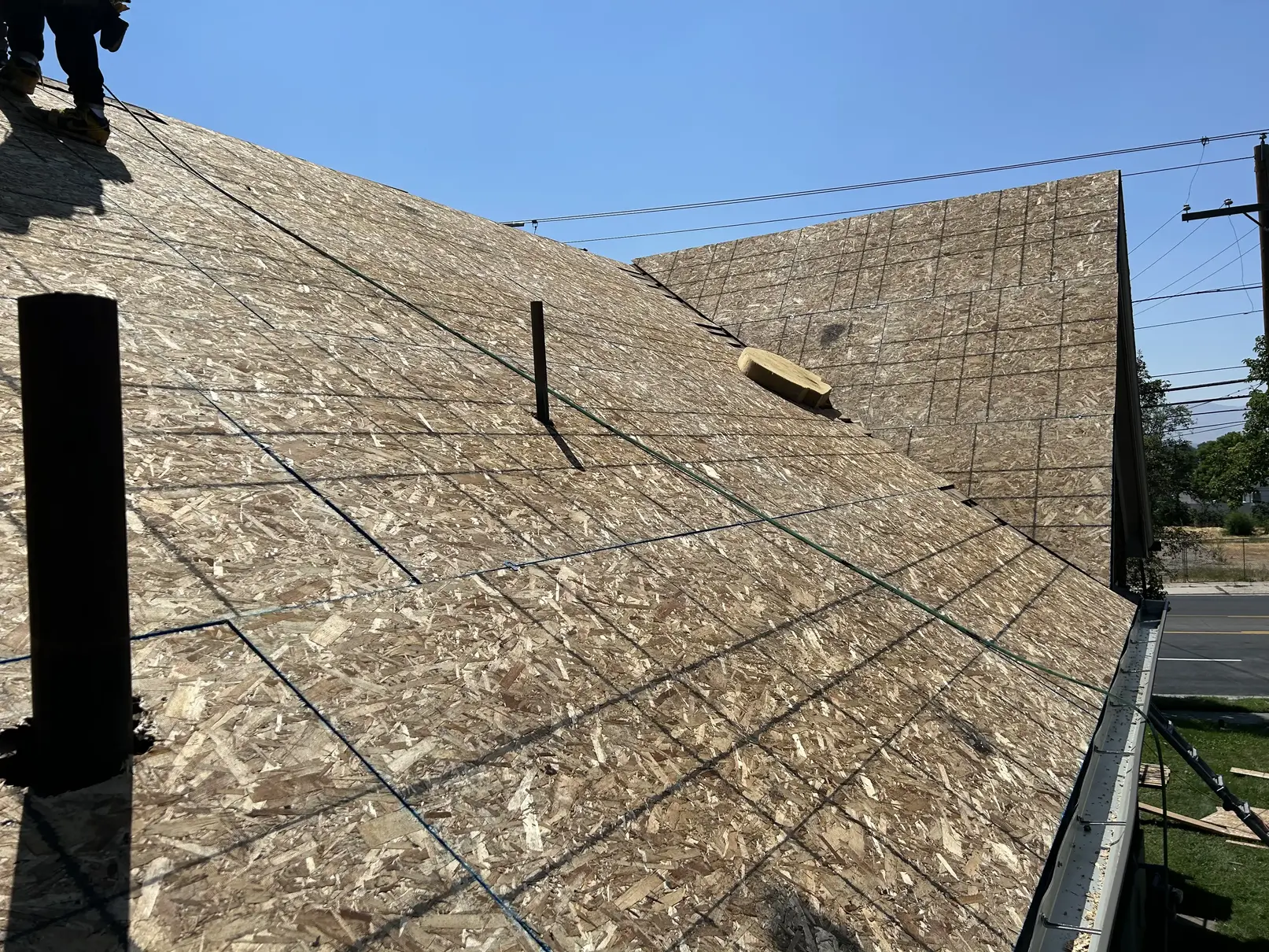
Asphalt shingles remain the most popular roofing choice for residential properties throughout Utah County. Architectural and presidential shingles are specifically engineered to endure the region’s intense freeze–thaw cycles, high UV exposure at elevation, and the seasonal windstorms common along the Wasatch Front. Even the most reliable roofing system, however, eventually shows signs of wear after years of weather exposure.
Roofing problems typically develop gradually. A single missing shingle, early granule loss, or subtle curling may not appear serious at first, but these issues can lead to severe leaks and structural damage if ignored. Routine roof inspections help homeowners identify these concerns early, protecting the roof deck and ensuring the home remains energy-efficient.
Key Problems Found in Asphalt Shingle Roofing Systems
1. Curling and Buckling Shingles
When shingles lose their flat alignment, they pull away from the roof deck and become vulnerable to wind. This often occurs when moisture becomes trapped during Utah’s freeze–thaw cycles or when attic ventilation is inadequate.
- Assessment:A professional evaluation identifies if the curling is localized to a few shingles or caused by a systemic ventilation failure.
- Targeted Solution: Asphalt roof repair can replace damaged shingles and correct airflow issues before moisture spreads.
2. Granule Loss and Surface Wear
The granules on shingles act as “sunscreen” for the asphalt layer. At the high elevations of Utah Valley, intense UV exposure and snow reflection act like sandpaper, wearing this protective layer away.
- Condition Check: A roofing expert evaluates the remaining granule thickness to determine if the shingle is still waterproof or becoming brittle.
- Primary Restoration: If the asphalt layer is exposed and cracking, a roof replacement may be necessary to prevent widespread leaks.
3. Roof Leaks and Flashing Failures
Most leaks originate at “penetration points” like chimneys, skylights, and ventilation pipes. In Utah County, heavy snow accumulation puts immense pressure on the metal flashing that seals these gaps.
- Vulnerability Scan:Professionals check for shifted flashing, rusted metal, and signs of moisture intrusion near the roof valleys.
- Preventative Repair: Resealing these “weak spots” and replacing deteriorated flashing stops interior water damage before it rots the home’s structural wood.
4. Wind and Storm Damage
Seasonal windstorms can lift shingles and break their factory adhesive seal, leaving the roof vulnerable to further damage. In areas with stronger wind exposure or open terrain, localized repair needs may be more frequent. This increased exposure can accelerate wear, making professional asphalt roof repair services essential to restore protection and prevent moisture intrusion.
- Post-Storm Review: Following a major event, an inspection identifies unsealed shingles and hidden hail bruising that is not visible from the ground.
- Immediate Action: Replacing individual shingles or resealing loosened sections prevents wind-driven rain from reaching the roof deck.
5. Moss, Algae, and Moisture Retention
Even in a semi-arid climate, shaded sections of a roof can stay damp for long periods after snowmelt. This creates a breeding ground for moss and algae, which act like sponges by holding water against the shingles.
- Structural Evaluation:Experts look for “soft spots” in the decking or shingles that have lost their adhesion due to constant dampness.
- Long-Term Fix: Improving drainage and attic ventilation keeps the roof surface dry, preventing organic growth from rotting the roofing materials.
6. Aging and End-of-Life Concerns
Every roof has a functional lifespan, typically 20–25 years for architectural shingles under normal conditions. As shingles age, they lose the ability to expand and contract with the changing Utah temperatures.
- Lifecycle Analysis: A full assessment determines if the materials have reached the end of their service life across the entire roof surface.
- Comprehensive Solution: When repairs are no longer cost-effective or reliable, a full Roof Replacement provides the best long-term protection and financial value for the property.
The Value of Early Roof Inspection
Many asphalt shingle issues begin with subtle warning signs that are easy to overlook from the driveway. Curling edges, gutter granules, or minor discoloration often indicate developing problems beneath the surface.
Routine professional inspections identify these concerns before they evolve into structural damage or interior leaks. Proactive evaluation extends the lifespan of the roof, protects manufacturer warranty coverage, and allows homeowners in Utah Valley to plan for necessary improvements with confidence.
Protect the Roof Before Small Issues Grow
With extensive experience handling Utah Valley’s demanding weather conditions, R.B. & Sons Roofing provides detailed roof evaluations tailored to asphalt shingle performance. By detecting early signs of damage, homeowners can prevent minor issues from becoming expensive repairs and make confident, cost-effective decisions about their roof.
Request a Free Roof Inspection TodayConclusion
Common asphalt shingle issues rarely appear overnight. They develop gradually as roofing materials respond to ongoing exposure from Utah Valley’s changing weather conditions. Small concerns like granule loss or minor lifting can quickly evolve into more serious structural problems if left unchecked.
A consistent inspection schedule allows homeowners to stay ahead of these issues. By identifying early signs of wear and addressing them with targeted repairs, it becomes possible to extend the life of the roof and avoid unnecessary replacement costs. Taking a preventative approach ensures the roofing system continues to perform reliably year after year.
